
Grocery Budget & Meal Planner

There was a need for:

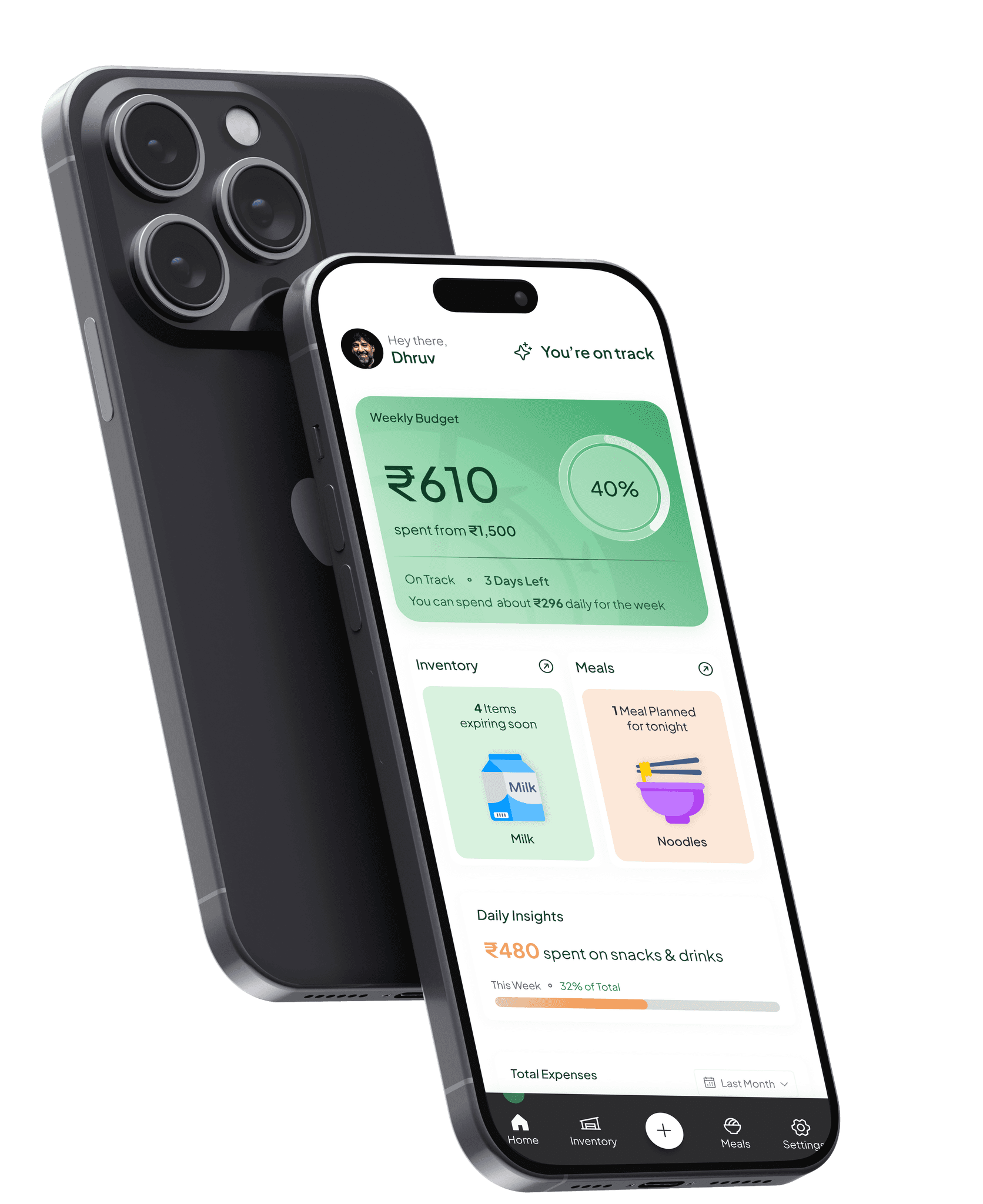
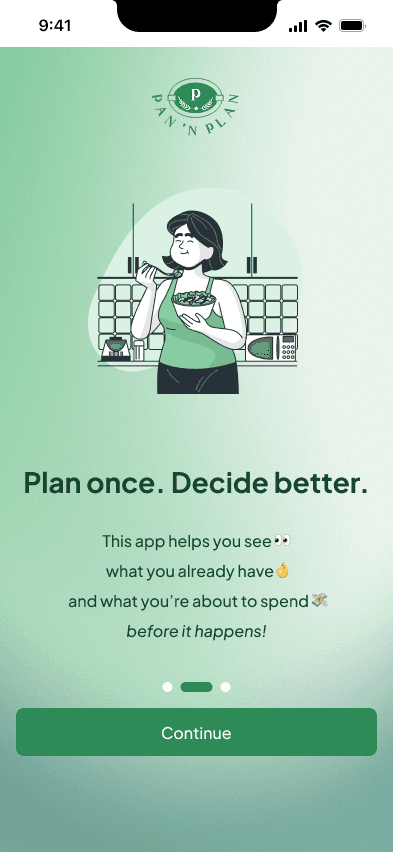
Reduce decision fatigue around daily food choices
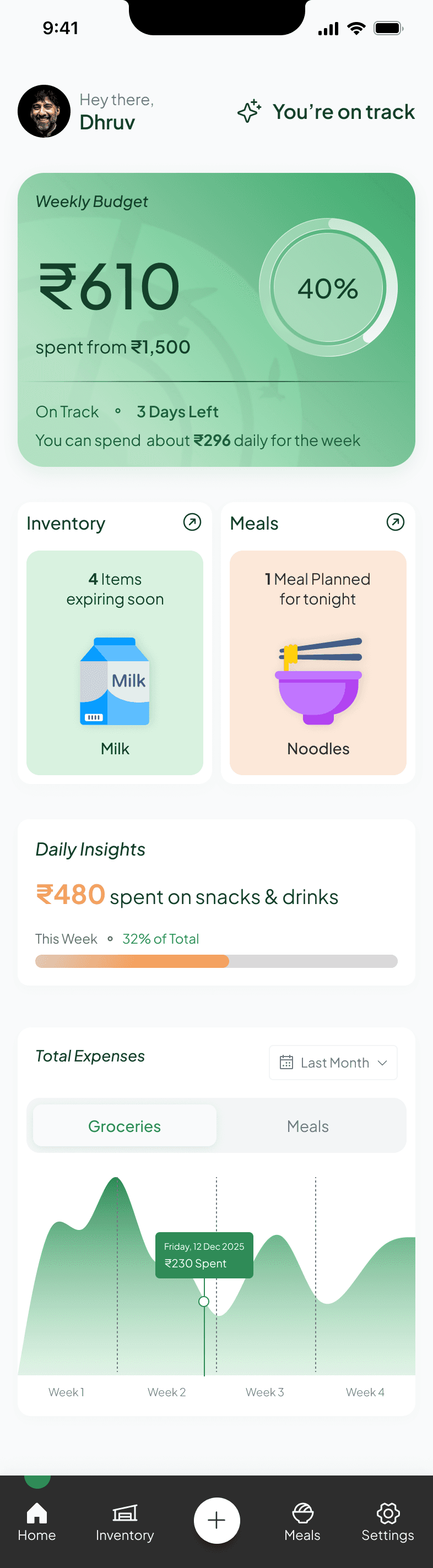
Increase awareness of weekly food spending

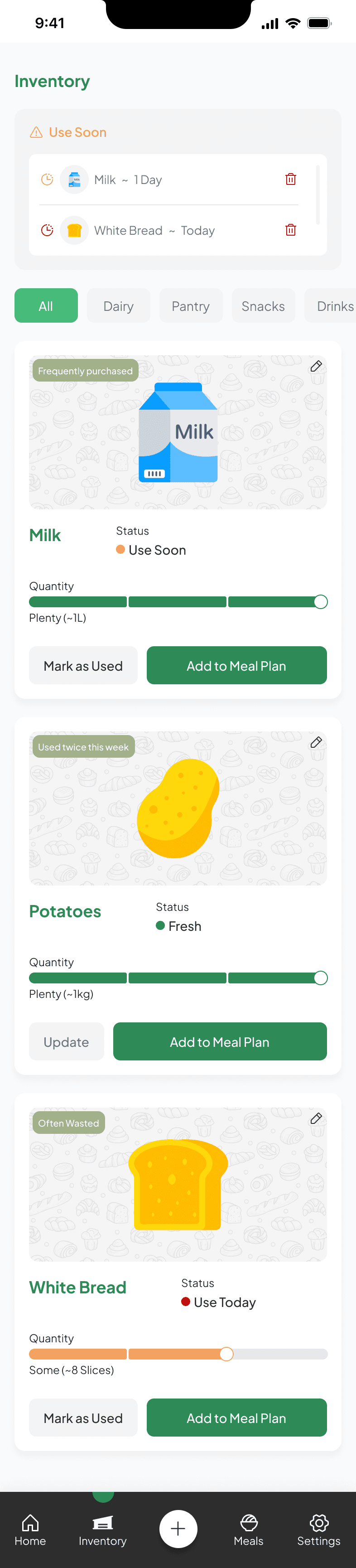
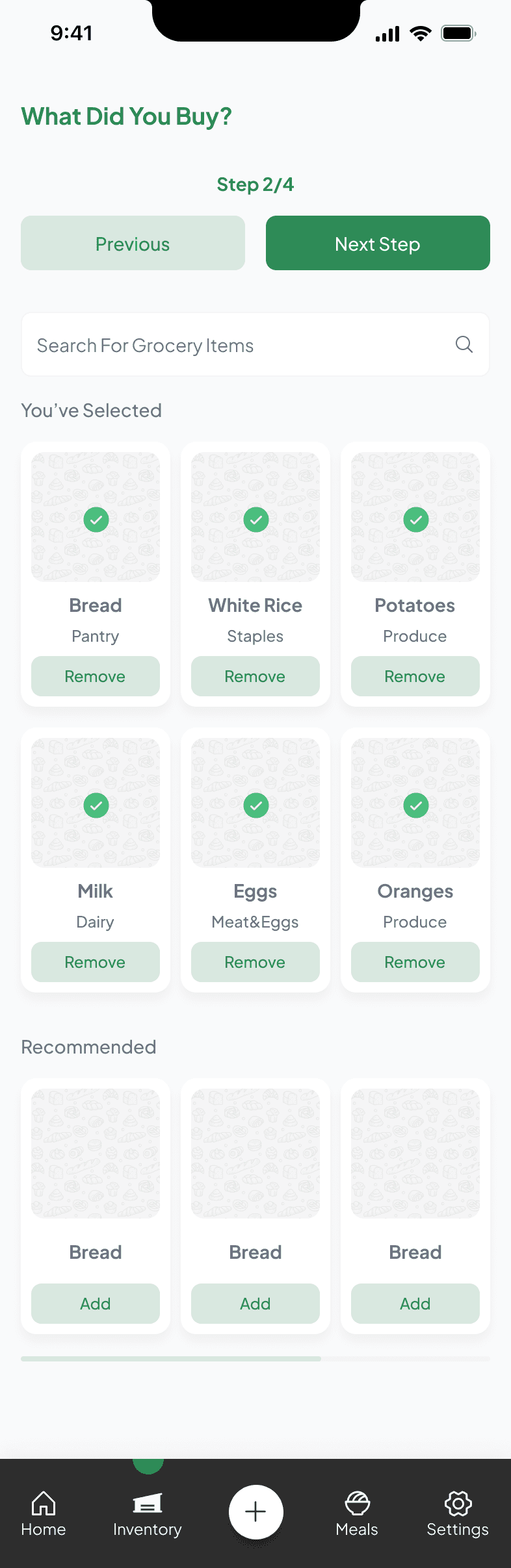
Help users remember what food they already have
Encourage planning without forcing rigid habits or routines
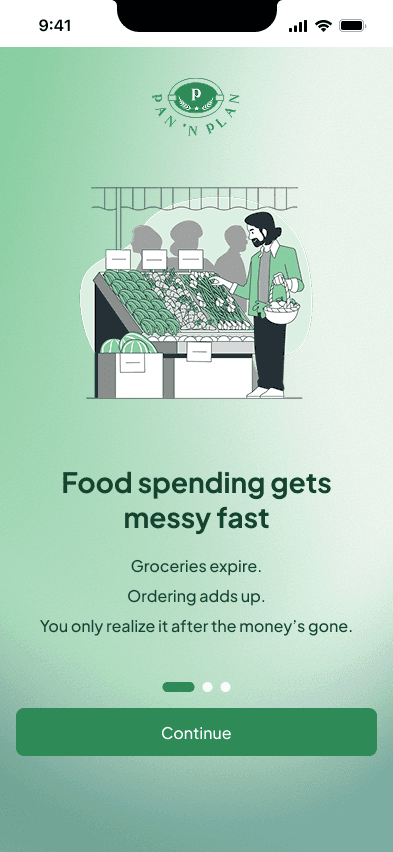
Sometimes forget what they already have in groceries and go out to buy more.
Key factor in bankruptcy. Spending way too much that disrupts the monthly budget.
Buying in bulk can save money only when consumption is planned. Without planning, it leads to waste and overspending
Snacking and drinks - a costly buy.
Key Design Decisions

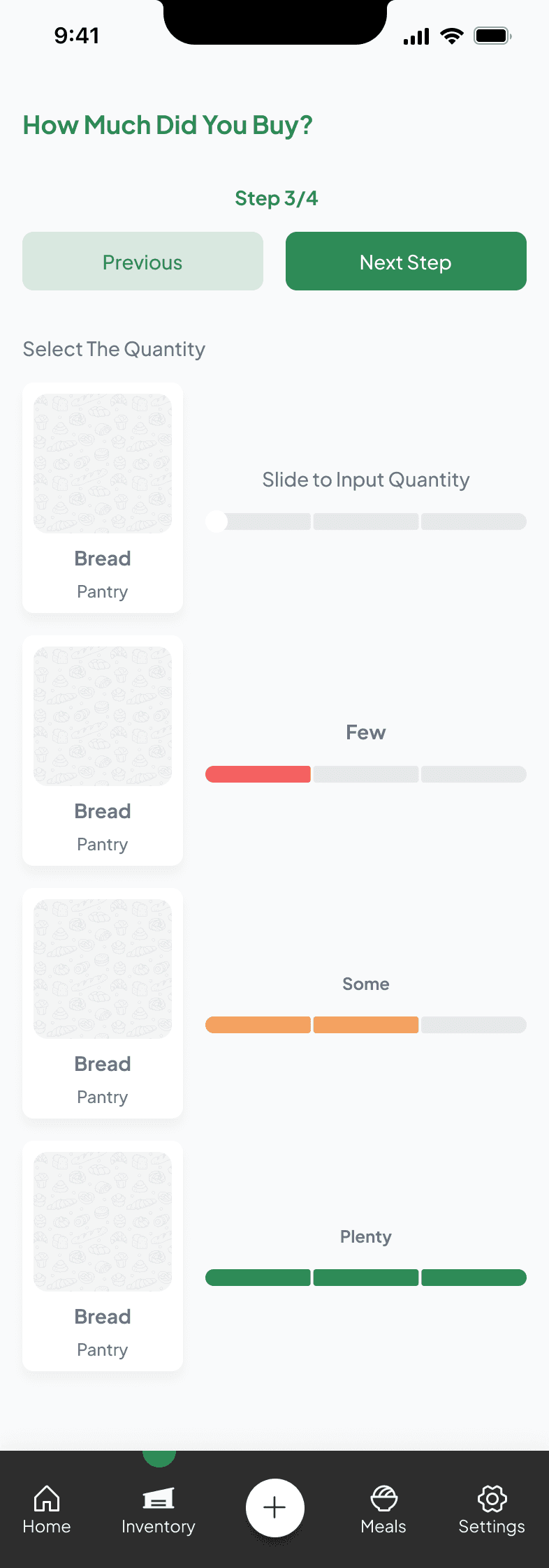
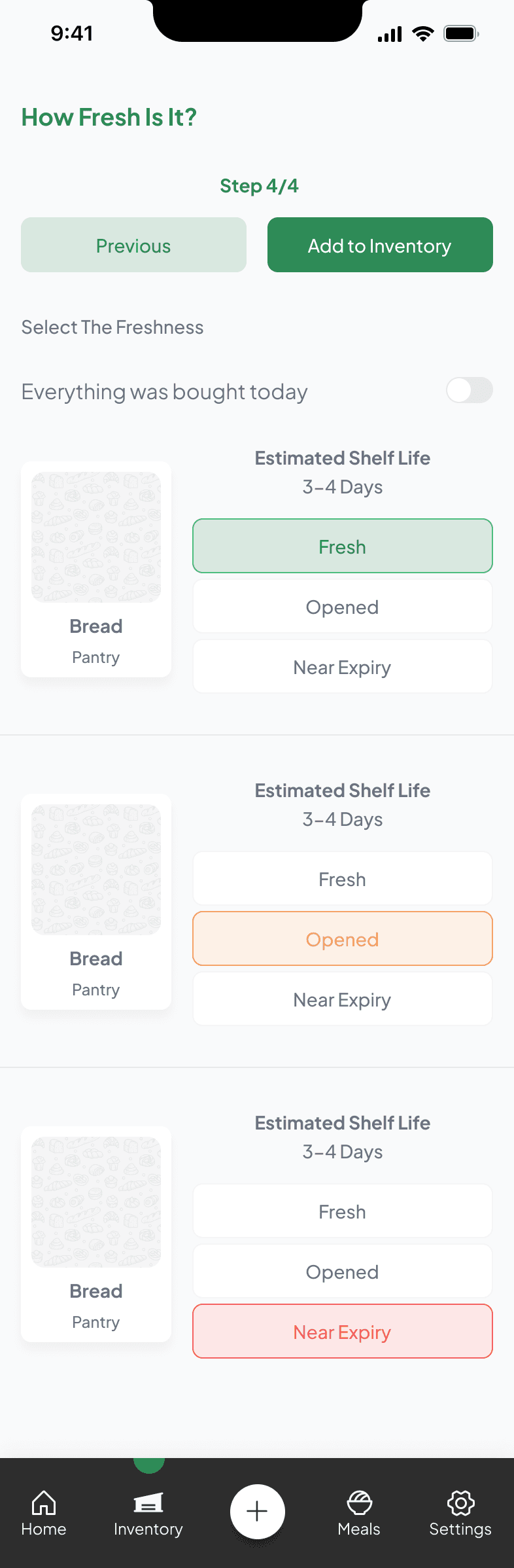
Decision 1: Inventory without exact quantities
No manual expiry dates.
Fresh / Opened / Near expiry instead.
Reduces friction.
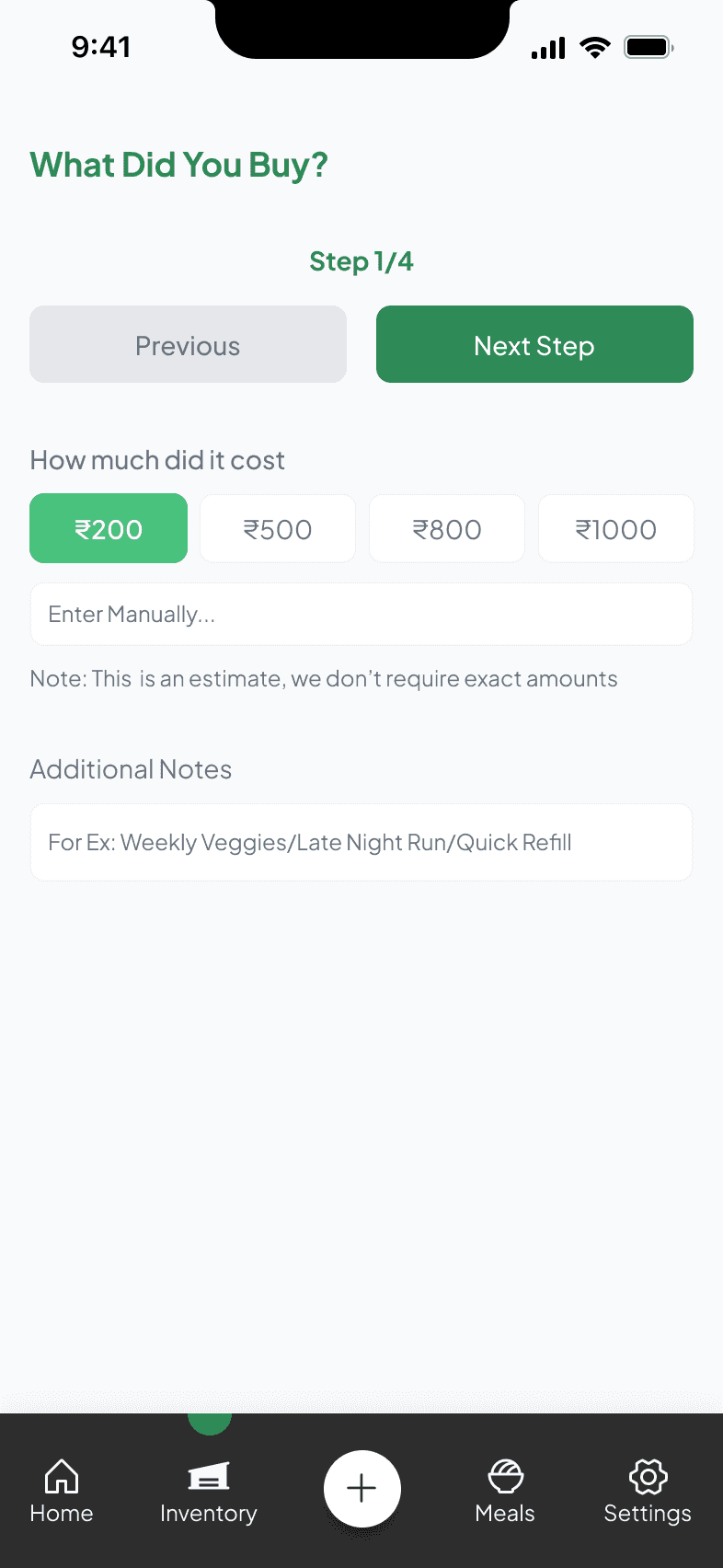
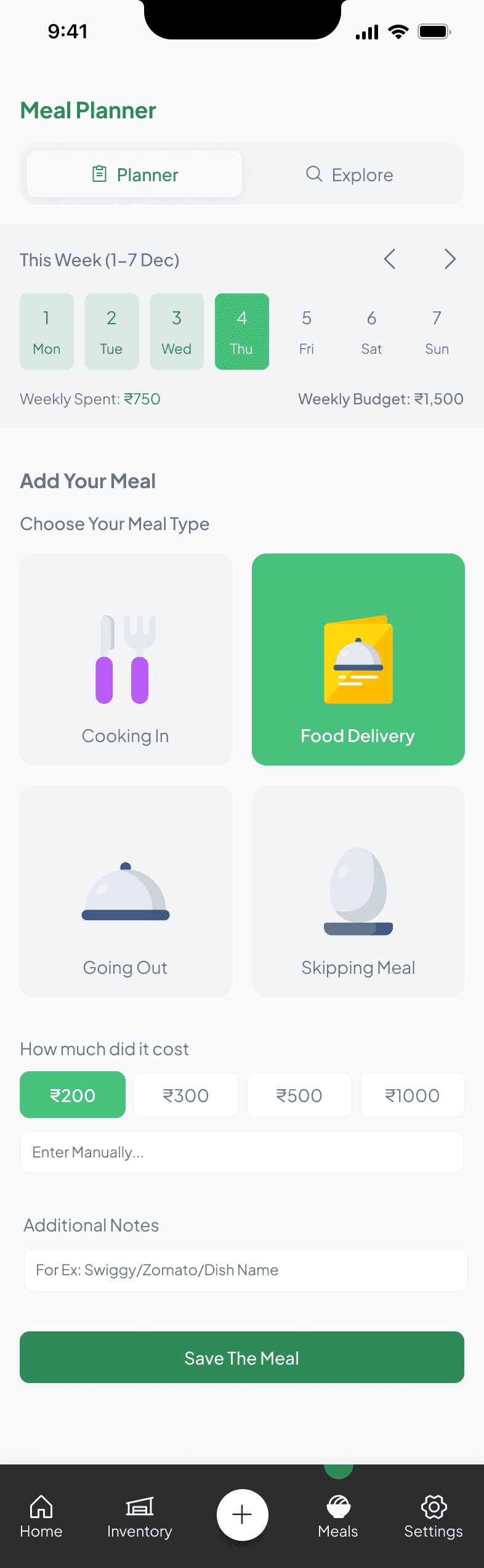
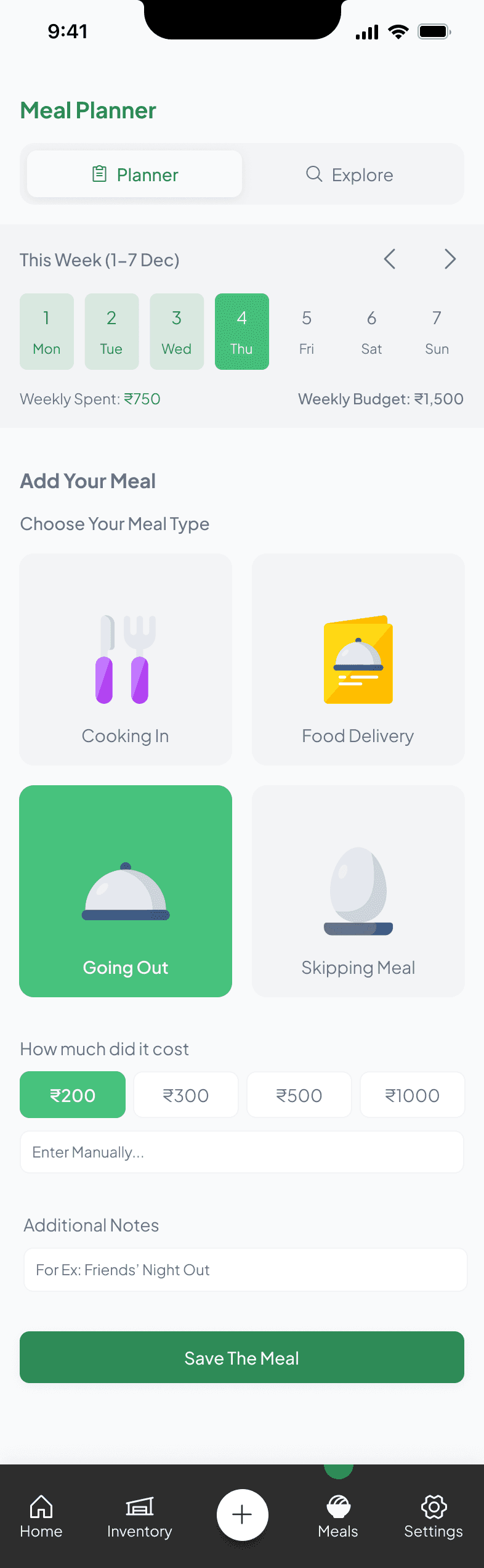
Decision 2: Cost added at action time
Cost is added when ordering / grocery run.
No Auto-calculation.
User stays in control.
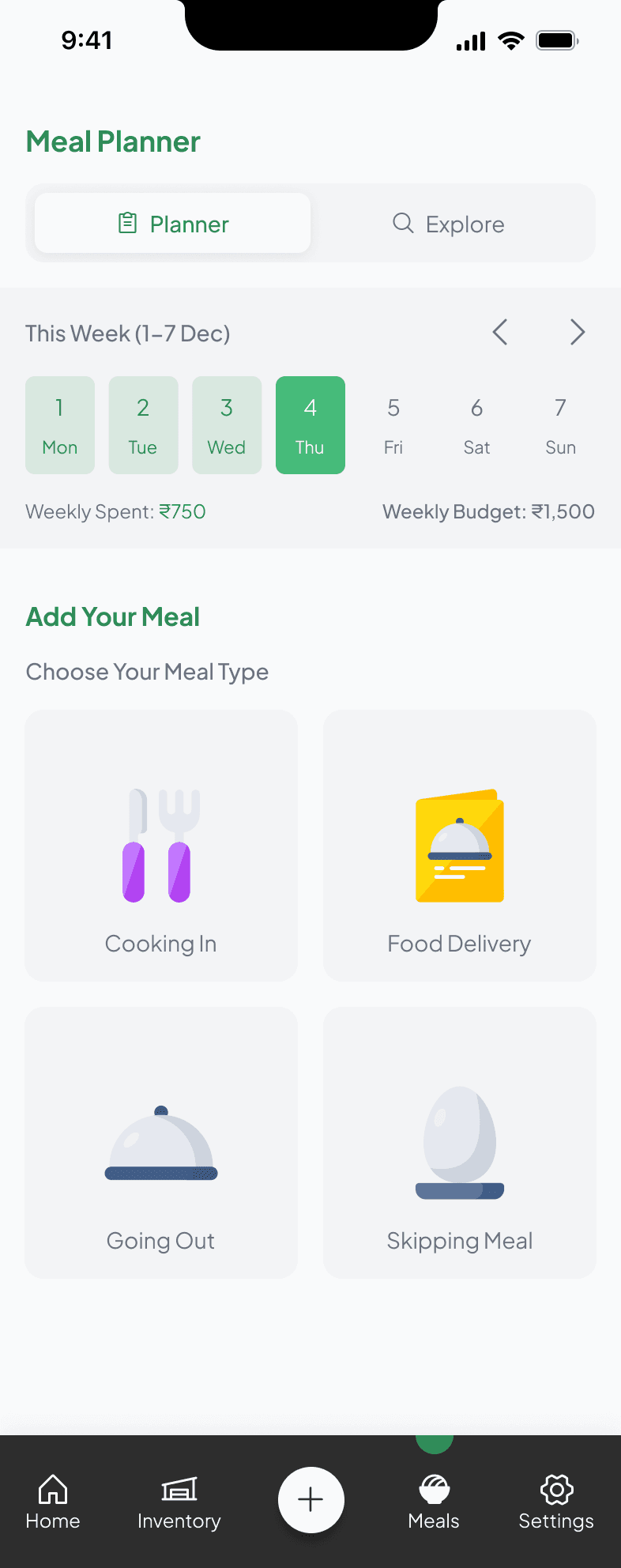
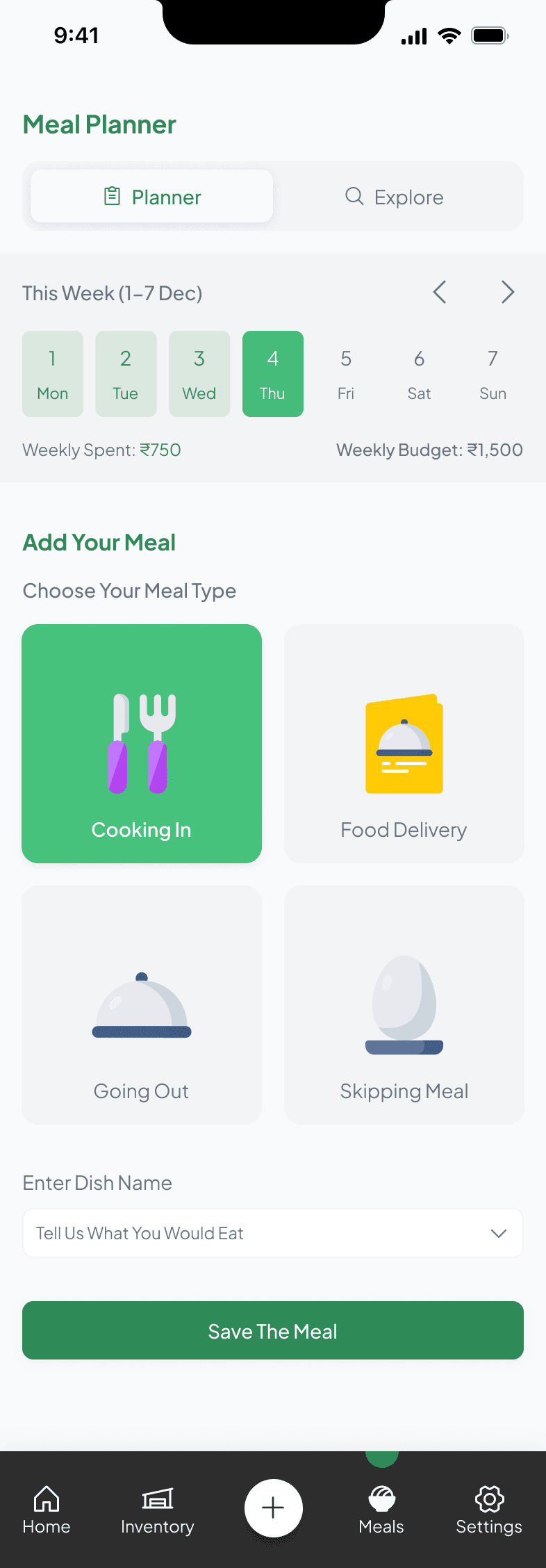
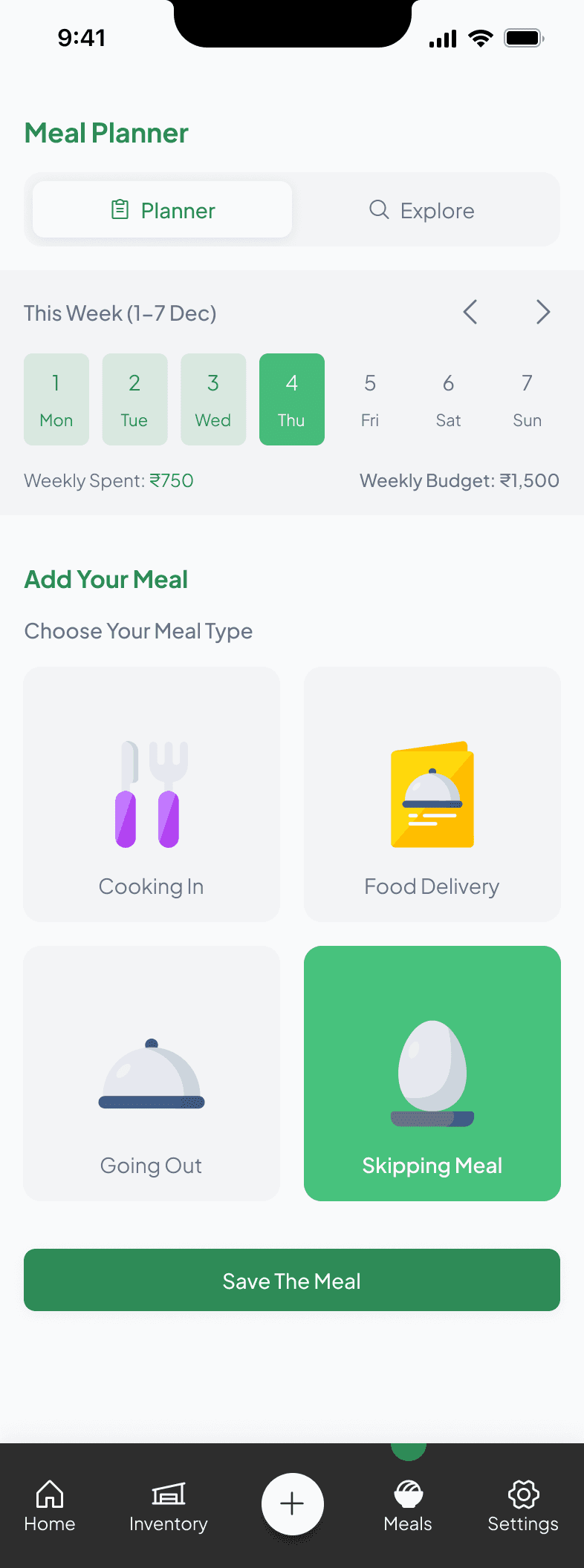
Decision 3: Meal planner as intention-setting
Not a Diary
Not enforced
Just a planning surface
(Primary)
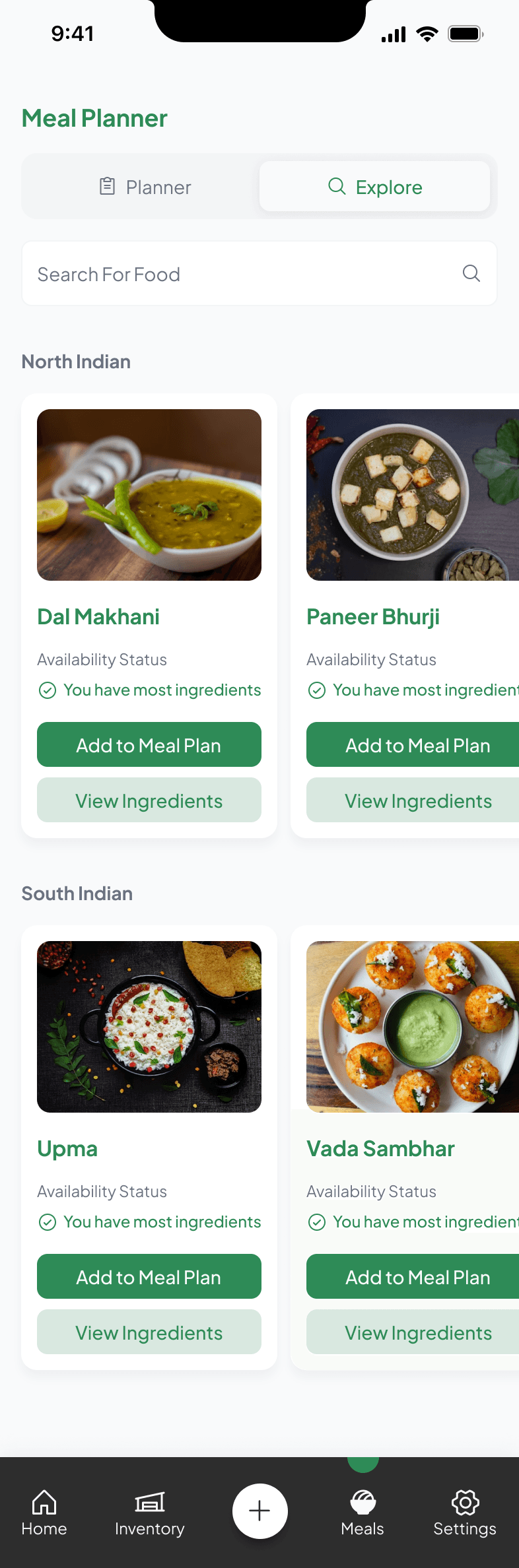
Smarter Meal Suggestions
Better Inventory Reminders
Data-informed Insights
Designing for low effort is harder than adding features.
Product decisions matter more than visual polish,
Explored how small design decisions influence everyday behavior.